Table of Content

Reviewed by an award-winning attorney at DALLI MARINO

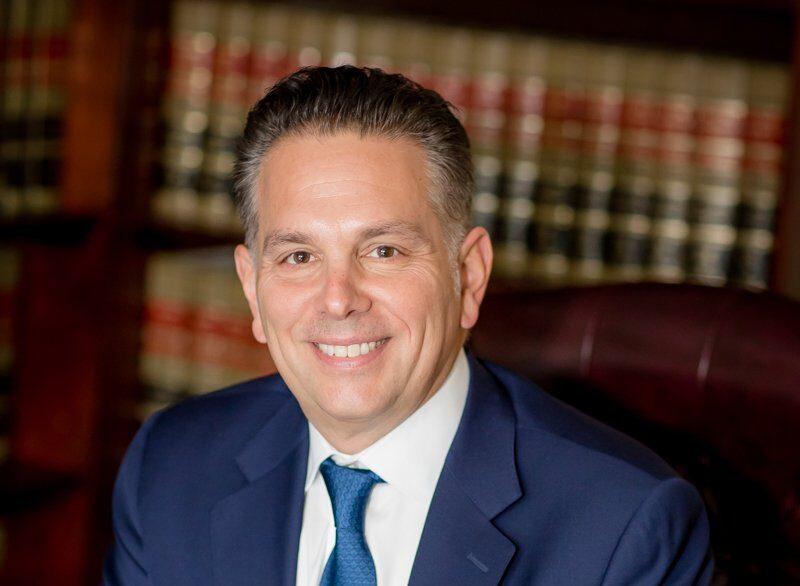

John Dalli, Esq. is a founding member of Dalli & Marino, LLP, and has been litigating and trying complex personal injury and medical malpractice matters in New York City, Brooklyn, Bronx, Queens, Staten Island, Nassau County, Suffolk County and Westchester since 1996.




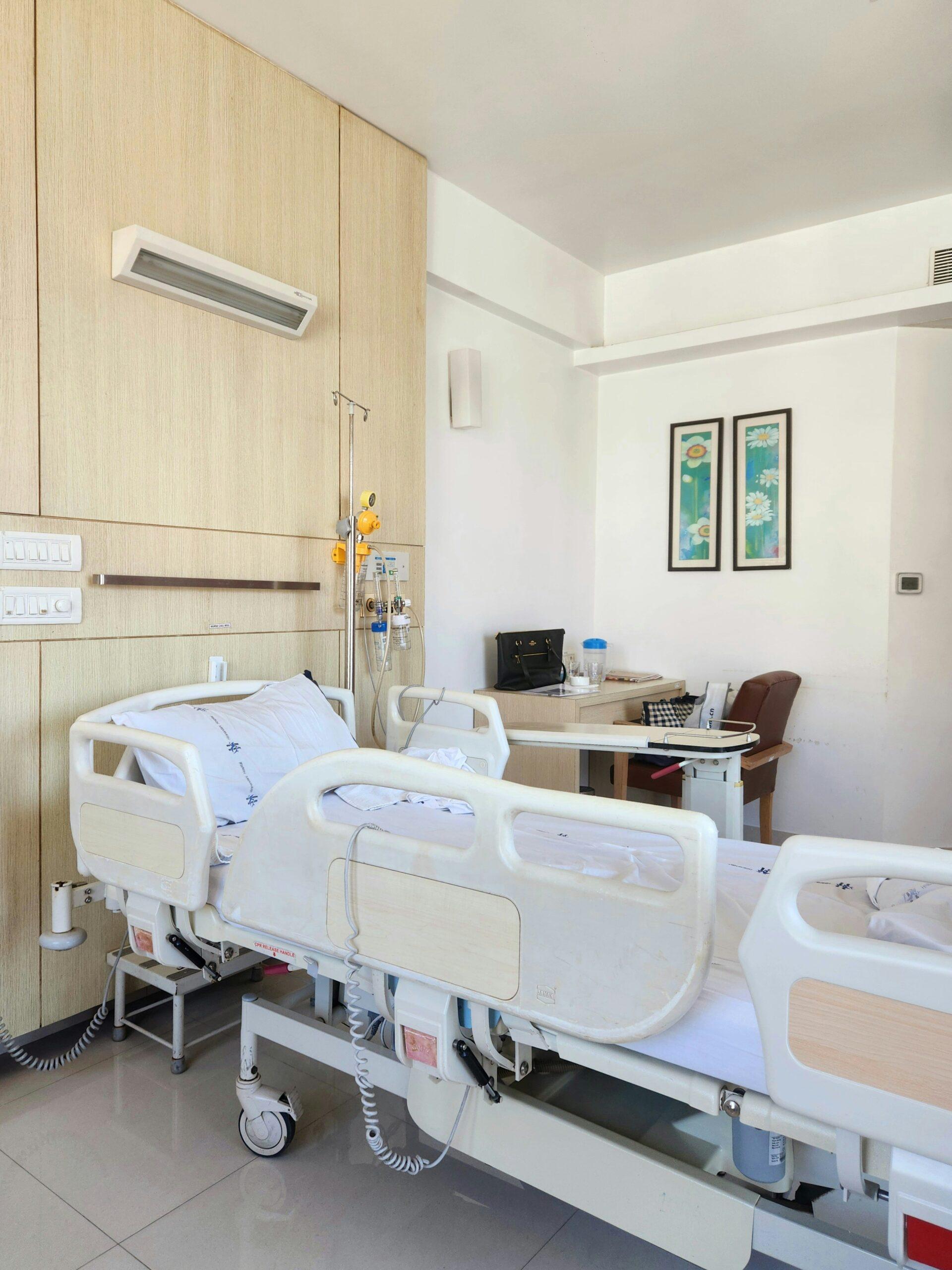
When a family isn’t able to provide their aging loved one with the kind of care they need any longer, they may place them in a nursing home. This decision requires a great deal of trust and confidence in the nursing and medical staff to provide your loved one with the care, support, and attention that they need.
The last thing these families want to hear, however, is that their aging loved one has suffered harm after being admitted into a nursing home. In some situations, residents and families may be entitled to compensation for the physical, emotional, and financial trauma they’ve experienced. However, it is not always clear who is responsible. Is it a staff member, the nursing home itself, or someone else entirely?
If you or a loved one has suffered from abuse in a New York nursing home, it’s crucial to speak to a New York nursing home abuse lawyer to understand whether you may have a case and determine who may be held liable.
What is Considered Nursing Home Abuse?
Nursing home abuse is any intentional, harmful action by nursing home staff, medical professionals, or caregivers. It’s important to acknowledge that this is different from nursing home neglect, which is typically defined as a failure to provide a standard level of care, such as not assisting with hygiene, nutrition, or medical needs. Nursing home abuse, on the other hand, is a deliberate or reckless disregard for a nursing home resident’s well-being. While both actions can result in a personal injury claim, nursing home abuse often carries a stronger implication of intent or willful misconduct.
Nursing home elder abuse can manifest in many different forms:
- Physical Abuse: Any action, such as hitting, pushing, improper use of restraints, or any force that results in injury or pain.
- Emotional Abuse: Verbal threats, humiliation, intimidation, isolation, or any action that impacts a resident’s mental health.
- Financial Abuse: The exploitation of a resident’s money or assets without consent, such as forging signatures, coercing financial decisions, or stealing property.
- Sexual Abuse: Any non-consensual sexual contact inflicted on a resident.
When any form of abuse is present, residents and their families have the legal right to pursue financial compensation through a nursing home abuse lawsuit for their suffering. This may include damages for medical expenses, pain and suffering, emotional distress, and other losses.
Who is Liable for Nursing Home Abuse?
When an act of abuse towards a nursing home resident takes place, the family of the victim’s first reaction is often to focus solely on the individual who committed the abusive act. However, liability in nursing abuse cases is not always this straightforward. In reality, there may be many other parties that can be held liable for an abusive act beyond the perpetrator, and identifying these parties is essential for ensuring full accountability and securing appropriate compensation. Below are a few of the most common liable parties in these cases:
Staff Members, Nurses, Aides, and Caregivers
When the abuse is perpetrated directly by a staff member, medical professional, aide, or caregiver, they may be held accountable. However, acts of abuse in nursing homes don’t always occur in isolation. In some cases, there is a much larger workplace culture that allows these acts to go unchecked. If one staff member perpetuates an abusive act, and it is witnessed by other staff members, management, or other parties who had a duty to report or intervene but failed to do so, these parties can also be held liable.
The Nursing Home Facility or Corporation
Many times, abusive acts can go unreported due to systemic issues, such as chronic understaffing or policies that prioritize cost-cutting over patient safety. Even if the facility did not directly commit the abusive act, it can still be held responsible for creating or allowing the conditions that made the abuse possible. Just like nursing home staff members have a legal duty to provide a safe and ethical standard of care, the nursing facility (and the corporation that likely manages it) has an obligation to provide a safe environment for all residents. When they fail to meet this obligation, they too may be held accountable.
Other Residents
In some cases, nursing home residents may be harmed by other residents. These incidents are more common than many families realize, particularly where individuals suffer from cognitive impairments, dementia, or other conditions that can lead to aggressive or unpredictable behavior. While the resident who caused the harm may bear some responsibility, these cases typically focus on whether the nursing home and its staff took appropriate steps to protect residents from foreseeable risks. If a facility, its administrators, or staff knew, or reasonably should have known, that a resident posed a danger to others and failed to take reasonable precautions, they may be held liable for resulting injuries.
Additional Third-Parties
In some cases, liability may extend beyond the nursing home and its staff to include third parties who interact with residents. These can include outside medical providers, therapists, contractors, or maintenance workers, who can all be held accountable separately or in congruence with the facility itself.

How Do You Prove Liability in a Nursing Home Abuse Case?
Once a possible liable party or parties have been identified, the next step is to analyze the act of abuse and evidence to confirm their liability. There are four legal elements that must be present in order to do this successfully. These are:
- Duty of care: Nursing homes and their staff owe residents a legal duty to provide reasonable care and protection. This duty is generally established based on the caregiver-resident relationship.
- Breach of duty: It must be shown that the responsible party failed to meet the applicable standard of care. This may involve intentional abusive conduct or a failure to act appropriately when action was required to protect a resident from harm.
- Causation: There must be a connection between the breach of duty and the harm suffered. In nursing home abuse cases, this can include both direct harm and harm that results from a failure to prevent foreseeable risks or protect a resident from known dangers.
- Damages: Finally, the resident must have suffered actual harm. This may include physical injuries, emotional distress, medical expenses, or other measurable losses.
Why Families Shouldn’t Handle These Situations Alone
While acting swiftly to protect your loved one from abuse is an understandable and natural instinct, it’s important that families understand the unique challenges that come with investigating and litigating these cases.
Once a clear case for liability has been established, the next step is to document it through evidence, such as medical records, incident reports, photographs, security footage, and witness and expert testimony. Unfortunately, recovering this evidence can be difficult as nursing homes often have strict policies regarding confidentiality, and they will likely resist requests for investigation if they suspect they are subject to liability.
As we’ve covered, it’s also not uncommon for there to be multiple liable parties, each with their own legal representation. Nursing homes and their insurers are often well-prepared to defend against claims, and they may employ strategies designed to minimize liability or shift blame.
Thus, for your family to have the best chance of success, it’s always best to work with a nursing home abuse attorney who is familiar with these challenges and has the resources to thoroughly investigate the claim. An attorney can file subpoenas, request records, and take other legal steps to preserve and obtain evidence. Furthermore, a nursing home abuse lawyer will be able to calculate the full damages you may be owed and will have the skills to negotiate with insurers efficiently.
If You Suspect Nursing Home Abuse, Get Help From Our Experienced Attorneys in New York
Beyond the initial trauma of discovering the abuse, one of the most frustrating aspects of these cases for families is that they are often challenging to manage. Families must not only gather evidence but also identify all possible liable parties, manage paperwork and filing deadlines, and avoid tactics used by both insurers and the facility itself to avoid accountability.
For these reasons, and many others, it’s essential that victims and their families pursue experienced legal representation. For over 30 years, Dalli & Marino has worked tirelessly on behalf of hundreds of victims of nursing home abuse and has secured millions of dollars in settlement awards to address the suffering they’ve endured and to help them move forward.
If a loved one has suffered abuse, contact us to schedule your free consultation and discuss your potential case. Our legal team will answer any questions you have and advise you on what your next steps should be to seek proper compensation. We also handle cases on a contingency fee basis, so you owe no legal fees unless we win.