Table of Content

Reviewed by an award-winning attorney at DALLI MARINO

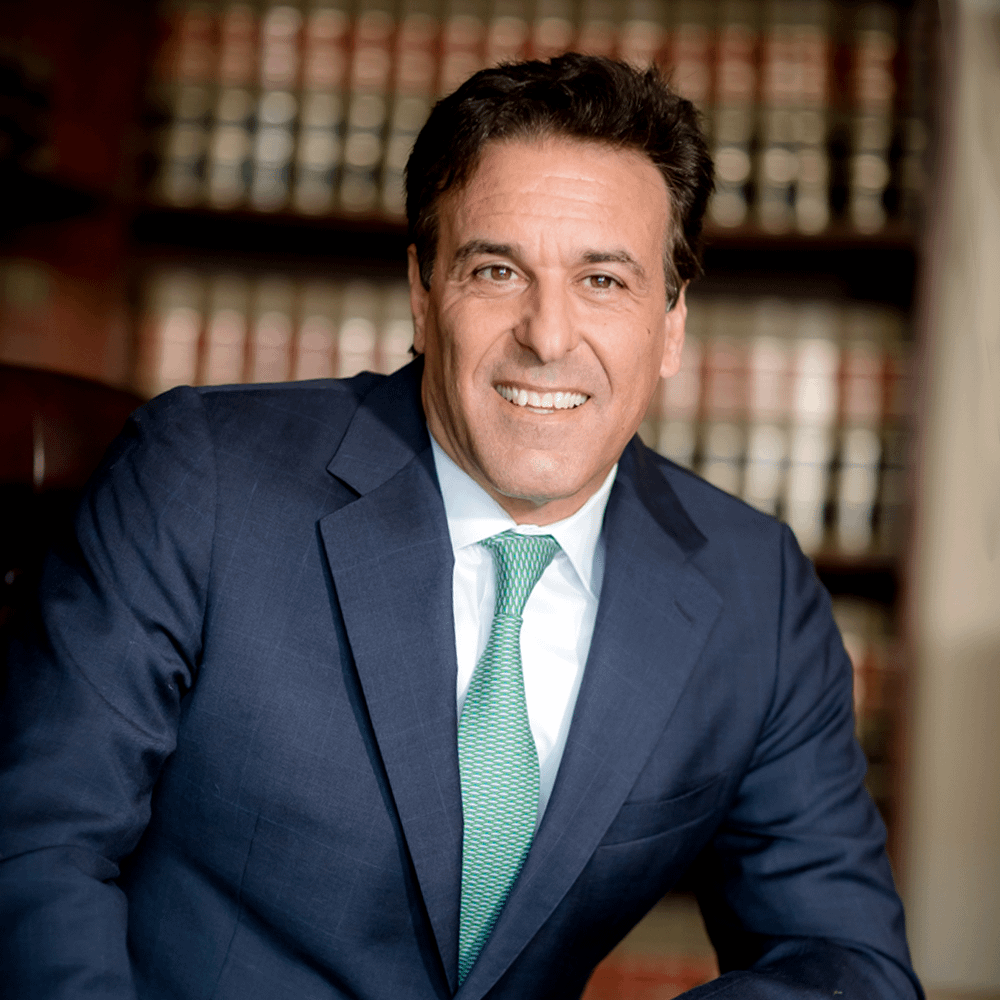

Salvatore Marino, Esq. is a founding member of Dalli & Marino, LLP, and has been the managing partner since the firm’s inception in 1996, representing clients in New York City, Brooklyn, Bronx, Queens, Staten Island, Nassau County, Suffolk County and Westchester.

Your Trusted Nursing Home Wrongful Death Lawyers

When a loved one passes away from illness or natural causes, there is never much you can do other than grieve. However, if a loved one passes away because of nursing home negligence, you may be able to pursue justice for your losses with the help of a New York wrongful death attorney.
At Dalli & Marino, we know that no amount of money can ever sincerely compensate for the loss of a loved one, but a wrongful death lawsuit may help provide a sense of closure and address the financial harm you may have incurred due to the negligent party’s actions. Our New York nursing home wrongful death lawyers are committed to helping families work through what comes next and pursue accountability when care falls short.
What Is Wrongful Death?
Wrongful death refers to a civil claim brought when a person dies as a result of another party’s negligent, reckless, or intentional conduct. Unlike criminal cases, which are brought by the state and focus on punishment, a wrongful death lawsuit is intended to provide financial compensation to surviving family members and the estate for the losses caused by the death. To succeed in a wrongful death case, it must generally be shown that the death would not have occurred but for the defendant’s wrongful actions or failure to act with reasonable care.
In New York, a wrongful death claim must be filed by the personal representative of the deceased person’s estate. This representative acts on behalf of the surviving family members and the estate itself. While the lawsuit is brought in the name of the estate, any compensation recovered is distributed to eligible surviving beneficiaries, such as a spouse, children, or other qualifying relatives, depending on the circumstances.
Can You Sue a New York Nursing Home for Wrongful Death?
If your loved one died as a result of neglect, abuse, or another form of preventable harm in a nursing home, New York law may allow you to bring a wrongful death claim against the facility.
Nursing homes have a legal duty to provide residents with appropriate medical care, adequate supervision, and a reasonably safe environment. They are also expected to take steps to prevent avoidable injuries and serious health complications. When a facility fails to meet that standard, and that failure contributes to a resident’s death, surviving family members may have the right to pursue a civil claim.
These cases can arise in many different circumstances. Some involve untreated infections or medical conditions, medication errors, dehydration or malnutrition, preventable falls, or pressure ulcers that are allowed to worsen. In some situations, a single act of negligence is involved. In others, harm develops over time due to ongoing neglect or chronic understaffing within the facility.
What Are Common Causes of Wrongful Death in New York Nursing Homes?
Unfortunately, there are many types of injuries that our elderly loved ones can suffer in nursing homes that could ultimately result in their death. Some of the more common injuries that result in nursing home wrongful deaths in New York include:
Bedsores
Prolonged pressure on the skin can result in bedsores (also known as pressure sores or pressure ulcers). These painful sores can penetrate so deeply into the skin that they leave muscles, bones, and tendons exposed. Bacteria entering these open wounds can result in life-threatening infections. To prevent bedsores, nursing home staff must reposition residents confined to wheelchairs every 15 minutes and residents confined to beds at least every two hours.
Medication Errors
As we age, we are often prescribed more and more medications. It is not uncommon for elderly nursing home residents to be on 20 or more medications at a time. This can make it difficult for understaffed nursing homes or poorly trained employees to administer medication properly, resulting in a higher risk of error, such as overdosing or mixing medications. These errors can prove to be fatal.
Falls
Falls are one of the leading causes of accidental death in seniors. What may seem like a mild fall to a younger person can be detrimental to an older adult. It is the responsibility of the nursing home staff to prevent fall accidents by supervising fall-risk residents, ensuring proper use of lift devices, having safety devices such as handrails installed, and keeping floors dry and well-lit.
Medical Inattention or Delayed Treatment
Serious conditions can become fatal when symptoms are ignored or treatment is delayed. This may include untreated infections, worsening chronic illnesses, breathing difficulties, or signs of stroke or heart problems. Prompt medical attention is critical, and delays in assessment or transfer to a hospital can have devastating consequences.
Malnutrition and Dehydration
Residents rely on staff for adequate nutrition and hydration. When meals are missed, fluids are not properly provided, or intake is not monitored, residents can become severely dehydrated or malnourished. Over time, this can weaken the immune system, lead to organ failure, and significantly increase the risk of death, especially in medically fragile individuals.
What You Need to Prove in a New York Nursing Home Wrongful Death Case
To succeed in a wrongful death case in New York, it is not enough to show that your loved one passed away while in a nursing home. The law requires proof that the death was caused by negligence, abuse, or a failure to provide an acceptable standard of care.
In practical terms, most cases focus on establishing four key elements:
- The nursing home had a duty to provide proper care: Nursing homes are legally responsible for the health, safety, and supervision of their residents. This includes providing appropriate medical treatment, monitoring changes in condition, preventing avoidable injuries, and responding promptly to medical needs.
- The facility failed to meet that standard: A breach of duty can take many forms, including failure to supervise residents, delayed medical treatment, medication mistakes, unsafe conditions, or chronic understaffing that prevents adequate care.
- That failure contributed to the death: This is often the most heavily disputed part of a case. It must be shown that the nursing home’s negligence was a substantial factor in causing or accelerating the death. Even when a resident has serious underlying health conditions, a facility can still be held responsible if proper care likely would have prevented the outcome.
- The death resulted in measurable losses: Finally, the case must show legally recognized damages, such as medical expenses related to the final illness or injury, funeral and burial costs, and financial support the family depended on.
Each of these elements must be supported with evidence, and nursing homes often dispute both what happened and whether it could have been prevented. That is why these cases typically require a detailed review of medical records and facility practices.
What Evidence Matters in Nursing Home Wrongful Death Lawsuits?
These cases are built through documentation, timelines, and medical analysis. Because much of the key information is controlled by the nursing home, part of the legal process often involves obtaining records that families do not automatically receive.
Some of the most important evidence includes:
- Medical charts and nursing notes: These records show how your loved one was monitored and treated on a daily basis. They can reveal changes in condition, missed warning signs, or delays in responding to medical issues.
- Care plans and clinical assessments: Facilities are required to create individualized care plans based on each resident’s medical needs. These documents can help determine whether proper precautions were in place and whether staff followed them.
- Medication administration records (MARs): Medication logs can identify missed doses, incorrect medications, or improper timing. In vulnerable patients, these errors can quickly become life-threatening.
- Staffing records and shift assignments: Understaffing is a common factor in nursing home neglect cases. These records help show whether there were enough qualified staff on duty to safely care for residents.
- Incident and accident reports: Falls, infections, and sudden medical events should be documented by the facility. These reports often provide the first official record of what went wrong and how the nursing home responded.
- Regulatory inspections and citations: State and federal inspection reports can reveal prior violations, safety concerns, or patterns of noncompliance that help establish broader issues within the facility.
- Witness statements and family observations: Family members and staff may provide critical insight into daily conditions, communication gaps, or visible signs of neglect that are not reflected in medical records.
- Medical expert review: Independent medical experts are often needed to interpret the records and determine whether the care provided met accepted standards. Their opinions are frequently central to proving both negligence and causation.
Together, this evidence helps build a clear picture of what happened, how care broke down, and whether the death could have been prevented with proper attention and treatment.
What Types of Compensation Can Families Recover in a Successful Wrongful Death Claim?
Under New York law, wrongful death damages are generally limited to economic losses, which may include:
- Medical expenses related to the final injury or illness: This includes hospital care, emergency treatment, and other medical costs incurred before death.
- Funeral and burial expenses: Reasonable and necessary costs associated with laying your loved one to rest may be recovered.
- Loss of financial support: If your loved one provided income or financial assistance, the estate may recover the value of that lost support over the period they reasonably would have continued contributing.
- Loss of services: This can include the economic value of household help, caregiving, or other measurable contributions your loved one would have provided.
Unlike other states, New York does not allow recovery in a wrongful death claim for grief, emotional suffering, or loss of companionship. However, the estate may also bring a separate survival action, which is a different legal claim. That action may allow recovery for the conscious pain and suffering experienced by the deceased before death.
How a New York Nursing Home Wrongful Death Attorney Can Help
At Dalli & Marino, we have been representing injured clients and grieving families across New York in serious personal injury and wrongful death cases, including nursing home negligence claims, since 1995. Our role is to step in quickly, uncover what happened, and build a clear, evidence-based case from the ground up.
Our nursing home wrongful death attorneys in New York typically help by:
- Acting quickly to secure critical evidence before records can be altered, lost, or incomplete
- Obtaining and analyzing medical records, nursing notes, and care plans to identify breakdowns in care
- Reviewing medication records and treatment timelines to uncover delays, errors, or failures to respond
- Investigating staffing levels and facility practices to determine whether neglect or understaffing contributed to the death
- Working with qualified medical experts to evaluate whether the care provided met accepted standards
- Identifying all responsible parties, including the nursing home, attending providers, and corporate ownership entities
- Calculating the full scope of damages, including financial losses and related estate claims
- Handling negotiations with insurance companies and defense counsel, who often work to minimize or deny responsibility
- Preparing every case for trial from the outset, so we are ready if a fair settlement is not offered
These cases are rarely straightforward. Nursing homes and their insurers often dispute responsibility and rely on detailed documentation to defend their care decisions. Building a strong case requires immediate investigation, medical insight, and a clear understanding of how facility failures contributed to the outcome. Our job is to take that burden off families and pursue accountability with the preparation and seriousness these cases demand.
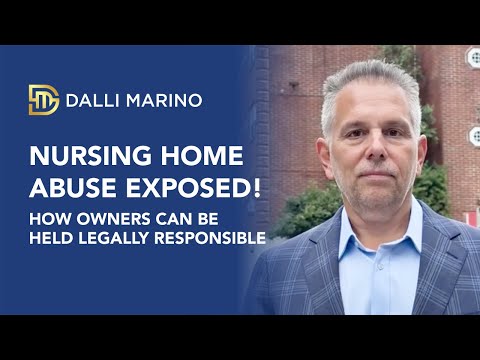
John Dalli Holds Nursing Homes Responsible
-

Nursing Home Lawsuits, Fines & Patient Rights in New York State
See All Videos
Frequently Asked Questions About Wrongful Death Nursing Home Cases
How do I know if a nursing home was responsible for my loved one’s death?

It is not always immediately clear whether a death was the result of negligence or other causes. In many cases, a detailed review of medical records, staffing levels, and facility documentation is needed to understand what happened. Speaking with a nursing home wrongful death lawyer can help you better understand whether the circumstances of your loved one’s passing may support a legal claim.
Who can file a wrongful death lawsuit in New York?
In New York, a wrongful death claim must be filed by the personal representative of the deceased person’s estate. This individual brings the case on behalf of the estate and eligible surviving family members, which may include a spouse, children, or other qualifying relatives, depending on the family situation.
How long do I have to file a wrongful death claim in New York?
In most cases, the statute of limitations for wrongful death claims in New York is two years from the date of death. Because there are circumstances that can affect this deadline, it is important to speak with an attorney as soon as possible to avoid losing the right to bring a claim.
What is the average settlement for wrongful death in a nursing home?
There is no true “average” settlement, because every case depends on the specific facts involved. Factors that can affect value include the circumstances of the death, the extent of negligence, the strength of the evidence, medical expenses, and whether the resident experienced pain and suffering before passing.
How much does a New York nursing home wrongful death lawyer cost?
Most nursing home wrongful death lawyers, including Dalli & Marino, work on a contingency fee basis. This means you do not pay any upfront legal fees. Instead, the attorney is only paid if they recover compensation for you through a settlement or verdict. The fee is typically a percentage of the recovery, which is discussed in advance so you know what to expect.
Related Articles
-
Hospitals Latest Articles Medical Malpractice Misdiagnosis Neglect Negligence New York State Quality of Care Wrongful Death
NYC Hospitals Face Scrutiny Over Wrongful Death Lawsuits
-
How Do You Know if You Have a Wrongful Death Case in NYC?
-
Family of Slain Bus Driver Files Suit in Crash Case
-
How to Find and Gather Nursing Home Abuse Evidence?
-
How Much Is a Nursing Home Abuse Case Worth in NYC?
-
Nursing Home Nursing Home Abuse Nursing Home Abuse Case Results Nursing Home Neglect Nursing Home Residents
Is It Difficult to Sue a Nursing Home?