NYC Assisted Living Abuse Lawyer

Table of Content

Reviewed by an award-winning attorney at DALLI MARINO

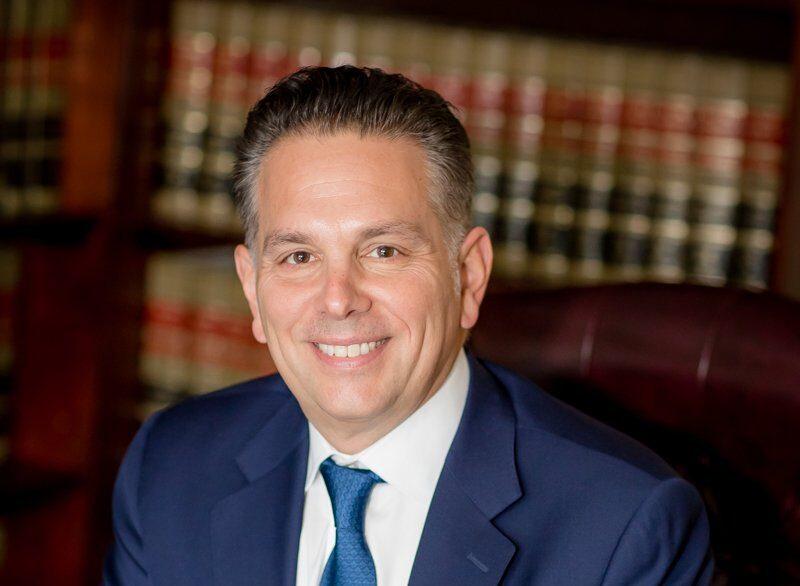

John Dalli, Esq. is a founding member of Dalli & Marino, LLP, and has been litigating and trying complex personal injury and medical malpractice matters in New York City, Brooklyn, Bronx, Queens, Staten Island, Nassau County, Suffolk County and Westchester since 1996.



Your Trusted NYC Assisted Living Abuse Lawyer

After a lifetime of working and caring for others, your elderly loved one deserves the physical and mental well-being of a happy retirement. Assisted living communities offer social interaction, a full and productive lifestyle, safety, and just the right support for seniors.
Unfortunately, these facilities sometimes fail to provide adequate care to our senior loved ones when they are at their most vulnerable. When mistreatment by staff members, other residents, or others with access to the facility results in unnecessary injuries, pain, and emotional or monetary damage, it’s often referred to as assisted living facility abuse.
If you have reason to suspect that your loved one has been abused at an assisted living facility in New York City, reach out to the experienced elder abuse and neglect attorneys at Dalli & Marino.
What Is an Assisted Living Facility?
Assisted living provides long-term housing and care for seniors. These residents are typically active but may need support with activities such as dressing, bathing, and going to the bathroom. Residents can expect nutritious meals, personalized care, various social activities that cater to their interests, and a sense of community in a secure and residential setting.
Assisted living facilities differ from nursing homes in that nursing homes require around-the-clock care and monitoring. Nursing home residents typically live with more complex healthcare conditions that require the assistance of a skilled nurse or physical therapist. By contrast, those in an assisted living community usually require custodial care.
What Is Assisted Living Abuse?
Families place their loved ones in assisted living facilities with the expectation that they will receive the support, respect, and care they deserve. While many facilities provide quality care, abuse can still occur in these settings. Abuse happens when a resident suffers harm due to intentional misconduct, mistreatment, or exploitation by a staff member, caregiver, administrator, or another individual within the facility.
Common types of elder abuse in assisted living facilities include:
Physical Abuse
Physical abuse involves the use of force that causes injury, pain, or physical impairment. Examples include hitting, pushing, slapping, kicking, or improperly restraining a resident.
Emotional and Psychological Abuse
Emotional abuse involves conduct that causes fear, humiliation, or emotional distress. This may include threats, intimidation, verbal harassment, isolation, or other behavior intended to control or manipulate a resident.
Sexual Abuse
Sexual abuse includes any non-consensual sexual contact or activity involving a resident. Seniors with cognitive impairments or physical limitations may be especially vulnerable to this type of abuse.
Financial Exploitation
Financial exploitation occurs when someone improperly uses a resident’s money, property, or financial information for personal gain. Common examples include theft, unauthorized withdrawals, forged signatures, and coercion.
Medication-Related Abuse
Medication-related abuse occurs when medications are intentionally misused, withheld, or administered improperly. These actions can lead to serious health complications and place residents at risk of significant harm.

Warning Signs of Abuse in NYC Assisted Living Facilities
Recognizing abuse is not always straightforward. Many residents do not report mistreatment due to fear of retaliation, dependence on caregivers for daily needs, cognitive impairment, or uncertainty about whether what they are experiencing is wrong. In some cases, the only indication that something is wrong comes from changes in a resident’s physical condition, behavior, or finances that family members notice over time. Paying attention to these warning signs can be critical to identifying potential abuse early.
Physical Abuse Signs
Physical abuse may result in visible injuries or repeated unexplained harm. Warning signs can include bruises, fractures, cuts, burns, or other injuries that do not match the explanation provided. Frequent or recurring injuries may also be a concern.
Emotional Abuse Signs
Emotional abuse can be reflected in a resident’s behavior and mood. Warning signs may include fearfulness, withdrawal from others, depression, anxiety, sudden personality changes, or reluctance to be around certain staff members or residents.
Sexual Abuse Signs
Sexual abuse may be difficult to detect, but possible indicators include unexplained bruising, injuries in sensitive areas, sudden changes in behavior, withdrawal, fear of specific individuals, or signs of emotional trauma. Any report or suspicion of inappropriate contact should be taken seriously.
Financial Abuse Signs
Financial exploitation often shows up in a resident’s financial records or possessions. Warning signs may include missing property, unusual account activity, unexplained withdrawals, sudden financial changes, or unexpected changes to legal or financial documents.
Can You Sue a NYC Assisted Living Facility for Abuse?
When a loved one is abused in an assisted living facility, one of the first questions families often have is often: Can we sue? In many cases, the answer is yes. Assisted living facilities have a legal duty to provide a reasonably safe environment and to protect residents from foreseeable harm, including abuse by staff members, caregivers, or others in the facility.
However, it is important to understand that these cases are not just about showing that an injury occurred. To bring a successful claim, the following elements generally must be proven:
- Duty of Care: The facility owed the resident a duty to provide appropriate care and maintain a safe environment.
- Breach of Duty: The facility failed to meet that duty, such as through inadequate supervision, unsafe practices, or failure to protect the resident from harm.
- Causation: The breach of duty directly caused or contributed to the resident’s injury or harm.
- Damages: The resident suffered measurable harm, such as physical injury, emotional distress, financial loss, or death.
Meeting these legal requirements often depends on showing not only what happened to the resident, but also how and why it was allowed to happen inside the facility itself.
How Abuse Happens in NYC Assisted Living Facilities
When assisted living abuse happens, it is rarely a random event. In many cases, it can be tied back to breakdowns in staffing, supervision, training, or oversight within the facility. Common factors include:
- Inadequate Employee Screening: Some facilities fail to properly screen or vet employees before hiring. This can result in individuals with unsafe histories or poor qualifications being placed in direct contact with vulnerable residents.
- Understaffing: When facilities do not have enough staff to meet residents’ needs, supervision and care can suffer. Understaffing increases the risk of missed assistance, delayed responses, and preventable harm.
- Poor Training: Even when staff are present, inadequate training can lead to mistakes in resident care, improper handling of medical needs, or failure to recognize warning signs of abuse or distress.
- Failure to Investigate Complaints: Abuse may continue when facilities do not take complaints seriously or fail to properly investigate concerns raised by residents or family members.
- Failure to Protect Residents From Known Risks: In some cases, facilities are aware of potential dangers, such as aggressive residents or problematic staff, but fail to take steps to protect others from harm.
- Lack of Supervision and Oversight: Without proper supervision of staff and resident care, abusive or negligent conduct may go unnoticed or unaddressed, allowing harmful patterns to continue.
How a NYC Assisted Living Abuse Attorney Can Help
When concerns arise about possible abuse in an assisted living facility, it is often difficult for families to know where to turn or what steps to take next. These cases are rarely straightforward. Important evidence may be controlled by the facility, records may be incomplete, and the full picture of what happened is not always immediately clear. Having experienced legal counsel can help level the playing field and ensure the situation is properly investigated.
At Dalli & Marino, we have been representing injured individuals and their families throughout New York for more than 30 years. Our assisted living abuse law firm is committed to holding negligent facilities and wrongdoers accountable while pursuing the full compensation available under the law. We understand the impact these situations have on families, and we focus on helping clients navigate the process with clarity and confidence during a difficult time.
We can help by:
- Investigating the abuse and gathering the facts surrounding what occurred
- Obtaining facility records, including care logs, incident reports, and staffing documentation
- Identifying responsible parties, including staff, administrators, and corporate operators
- Working with medical and elder care experts to evaluate injuries and standards of care
- Negotiating with insurance companies to pursue fair compensation
- Filing a lawsuit when necessary to protect your rights and seek accountability
Our role is to take on the legal burden so families can focus on their loved one’s well-being. If you have concerns about assisted living abuse, we are available to review what happened and advise you on the options that may be available.
What Evidence Is Needed to Prove an Assisted Living Abuse Case?
Assisted living abuse cases are built on evidence that shows not only that a resident was harmed, but how and why that harm occurred. Because much of the key information is controlled by the facility, these cases often require a detailed investigation to gather records, identify witnesses, and evaluate whether the standard of care was violated.
Key types of evidence may include:
- Medical records, which can help establish the nature, extent, and timing of injuries or health complications
- Witness statements, including testimony from staff members, residents, or visitors who observed relevant events
- Facility policies and internal records, such as care plans, incident reports, staffing logs, and supervision protocols
- Prior complaints or violations, which may show patterns of similar issues or repeated failures within the facility
- Expert testimony, often from medical or elder care professionals, to evaluate whether the care provided met accepted standards
Together, this evidence helps build a clear picture of what occurred inside the facility and whether the injuries or harm were preventable.
What Compensation Is Available in an Assisted Living Abuse Lawsuit?
When abuse in an assisted living facility results in harm, families may be entitled to pursue compensation for both the financial and personal impact of those injuries. The purpose of damages in these cases is to address the losses suffered and hold responsible parties accountable for the harm caused.
Compensation may include:
- Medical expenses, including the cost of treatment, hospitalization, rehabilitation, and ongoing care
- Pain and suffering, for the physical pain and emotional impact of the abuse
- Emotional distress, reflecting anxiety, trauma, and psychological harm experienced by the resident
- Loss of quality of life, when injuries reduce a person’s ability to live independently or enjoy daily activities
- Wrongful death damages, in cases where abuse or related neglect results in a resident’s death
Every case is different, and the value of a claim depends on the specific facts, the severity of the harm, and the evidence available. Our assisted living abuse lawyers can help evaluate the full scope of damages and pursue the maximum recovery allowed under New York law.
What Should You Do If You Suspect Abuse in an Assisted Living Facility?
If you suspect that a loved one is being abused in an assisted living facility, it is important to take the situation seriously and act quickly. In many cases, early intervention can help prevent further harm and preserve critical evidence.
1. Ensure the Resident’s Immediate Safety
The first priority is making sure your loved one is safe. This may involve speaking with facility management, arranging for medical attention, or relocating the resident if there is an immediate risk of harm.
2. Document Evidence
Keep detailed notes of what you observe, including injuries, changes in behavior, concerning statements, or interactions with staff. Photographs of visible injuries or unsafe conditions can also be important.
3. Preserve Medical Records
Medical records can play a key role in identifying the cause and extent of injuries. Request and retain copies of relevant treatment records, discharge summaries, and care documentation whenever possible.
4. Report the Abuse
Concerns should be reported to appropriate authorities, which may include facility administrators and state or local oversight agencies. Reporting helps create an official record of the complaint.
5. Speak With an Attorney
An assisted living abuse attorney can help evaluate the situation, request and review facility records, and determine whether there is a viable legal claim.
Speak With an Experienced Assisted Living Facility Abuse Attorney in New York City
If you think that a member of your family is caught up in an abusive situation at an assisted living facility in New York City, contact the trusted attorneys at Dalli & Marino. We’re a group of seasoned lawyers who understand New York regulations and government healthcare. Our team of highly trained trial attorneys has helped recover millions of dollars for clients since 1996, and we can evaluate whether you may be entitled to compensation based on the circumstances of your case.
Contact us today to schedule a free consultation.