
Table of Content

Reviewed by an award-winning attorney at DALLI MARINO

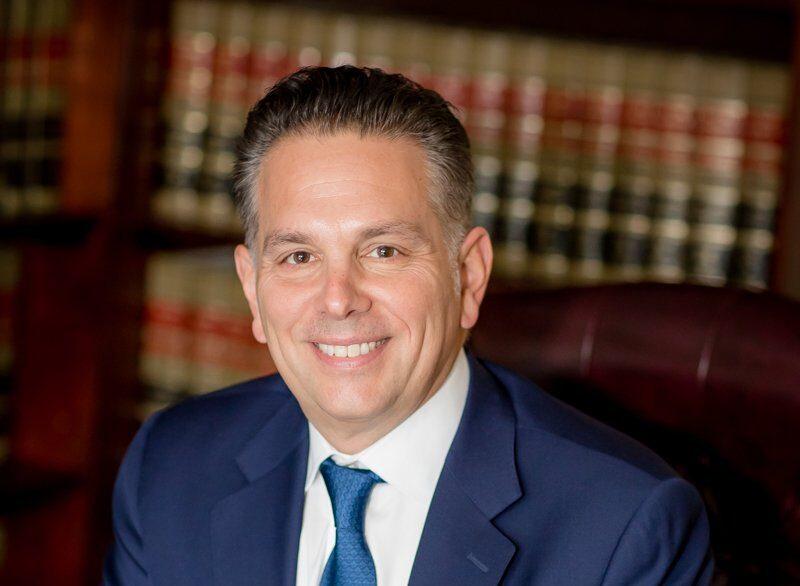

John Dalli, Esq. is a founding member of Dalli & Marino, LLP, and has been litigating and trying complex personal injury and medical malpractice matters in New York City, Brooklyn, Bronx, Queens, Staten Island, Nassau County, Suffolk County and Westchester since 1996.


Recent reporting has raised questions about whether large nursing home companies played a role in the repeal of a federal staffing rule meant to protect residents.
According to an investigation summarized by Skilled Nursing News, nursing home–related companies donated nearly $4.8 million to a super PAC aligned with the White House. These donations happened around the same time that top executives from the nursing home industry were seeking private meetings with administration officials.
The reporting describes an August lunch where leaders from some of the country’s largest nursing home operators met directly with the president and industry trade groups. During that meeting, industry representatives urged the administration to permanently repeal the federal staffing mandate.
Not long after those meetings and donations, the administration stopped defending the staffing rule in court. The rule was later fully revoked. The White House has denied that political donations had anything to do with the decision, saying the repeal was based on staffing shortages and financial pressure on nursing homes.
The reporting also noted that about 40 nursing home–related corporate entities donated to the same super PAC during a short window of time. Many of those donors were connected to major national nursing home operators. Executives from those organizations attended the private meeting alongside leaders from the industry’s main trade group.
Industry representatives later said the meeting was meant to be a general discussion and denied that the staffing mandate was a focus. Others present reportedly offered a different account, according to the reporting.
What Was the Nursing Home Staffing Mandate?
The staffing mandate had required nursing homes that accept Medicare and Medicaid to provide at least 3.5 hours of care per resident per day and to have a registered nurse on site 24 hours a day. These were minimum standards. They were not aspirational targets or ideal staffing models. They were a baseline meant to protect residents from dangerous understaffing.
Listen to John Dalli’s Take on the Repeal of the Nursing Home Mandate
Why Staffing Levels Matter for Nursing Home Residents
Supporters of the staffing mandate argued that it was not about ideal care or luxury treatment. It was about preventing harm. Decades of data and pandemic-era failures have shown that when nursing homes are understaffed, residents suffer.
Research cited in the recent reporting shows that staffing levels are one of the strongest predictors of nursing home safety, according to patient advocates and public health experts.
- A February report from the University of Pennsylvania’s Leonard Davis Institute estimated that stronger staffing standards could save roughly 13,000 lives each year.
- In New York, the Department of Health has acknowledged that staffing shortages have made it harder to inspect facilities and investigate complaints.
- In 2024 alone, nearly 4,000 nursing home complaints in New York involved allegations of abuse, mistreatment, or neglect.
- Even a 2023 study commissioned by Centers for Medicare & Medicaid Services found that higher staffing levels are linked to fewer hospitalizations, fewer emergency room visits, and fewer missed care tasks.
These findings show that when nursing homes are understaffed, residents are more likely to be harmed.
It All Comes Down to Money
Nursing home operators have argued that the staffing mandate was simply too expensive. Industry groups estimated the rule would cost billions of dollars each year and require tens of thousands of new healthcare workers.
But other research tells a different story:
- A 2024 analysis by the National Bureau of Economic Research found that more than 60 percent of nursing home profits were hidden in related corporate transactions.
- That same research concluded that if those funds were redirected to care, nearly three-quarters of nursing homes could meet the 24-hour registered nurse requirement.
In other words, the issue was not a lack of money. It was how that money was being used.
Our New York Nursing Home Lawyers Hold Facilities Accountable
When understaffing leads to injury or neglect, families are not limited to filing complaints or hoping conditions improve. A New York nursing home lawyer from Dalli & Marino can investigate whether a facility failed to meet required standards of care, review staffing records, examine medical documentation, and determine whether cost-cutting decisions contributed to resident harm. Contact us today to learn more.