Table of Content

Reviewed by an award-winning attorney at DALLI MARINO

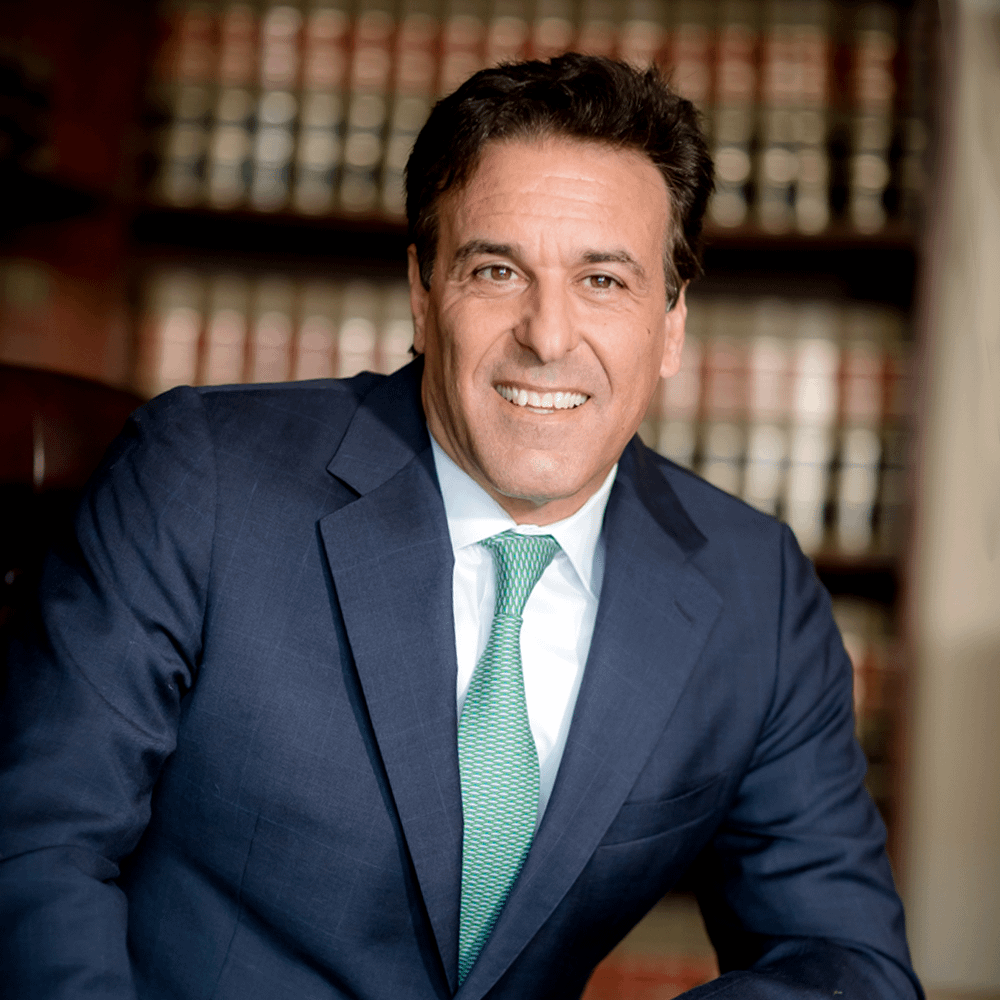

Salvatore Marino, Esq. is a founding member of Dalli & Marino, LLP, and has been the managing partner since the firm’s inception in 1996, representing clients in New York City, Brooklyn, Bronx, Queens, Staten Island, Nassau County, Suffolk County and Westchester.


When families place a loved one in an assisted living facility, they’re trusting that facility to provide dignified, attentive care. When that trust is broken through abuse, the consequences can be devastating, and knowing how to respond is not always straightforward.
If you believe your loved one has suffered from abuse in a NYC assisted living facility, this guide will help you understand your next steps and why reporting is often just the beginning.
Recognizing Assisted Living Abuse
New York law defines elder abuse as any intentional act, or failure to act, that causes harm or serious risk of harm to an older adult. In assisted living settings, abuse can take many forms, and knowing the warning signs is the first step toward protecting someone you love.
The most common forms of assisted living abuse include:
Physical Abuse
Physical abuse often leaves visible evidence, though it is not always easy to interpret. Warning signs include unexplained bruises, fractures, or injuries that don’t match the explanation given by staff. Marks on the wrists or ankles may suggest the use of physical restraints, and recurring injuries in the same location should raise concern.
Sexual Abuse
Warning signs of sexual abuse can include torn or stained clothing, bruising near the groin or inner thighs, and a resident showing distress during personal care routines. Any sexual contact without a resident’s clear, voluntary consent is abuse, whether the contact involves staff, volunteers, or other residents.
Emotional and Psychological Abuse
Often the hardest form of abuse to detect, psychological abuse can include verbal threats, humiliation, isolation, or manipulation. Warning signs include sudden changes in mood, withdrawal from activities the resident previously enjoyed, visible fear or anxiety around certain staff members, and reluctance to speak openly when caregivers are present.
Financial Exploitation
Unauthorized use of a resident’s money, property, or assets is one of the most underreported forms of elder abuse. Warning signs include unexplained changes in banking activity, unfamiliar names added as account signatories, missing valuables, unpaid bills despite adequate funds, and a resident who seems confused or distressed about their financial situation.
Steps to Take Before Reporting Elder Abuse
Before contacting a government agency to report abuse, there are a few immediate steps that can protect your loved one and strengthen any future complaint or legal claim.
Step 1: Ensure Immediate Safety
If you believe your loved one is in imminent danger, call 911 first. Law enforcement can respond immediately to situations involving physical harm or ongoing abuse, and getting help quickly is the priority above all else.
Step 2: Document Everything
Thorough documentation creates a record that investigators and attorneys can use. As soon as possible, take the following steps:
- Photograph any visible injuries, and note the date and time each photo was taken
- Keep a written log describing specific incidents, including dates, times, and what was observed
- Save all written or electronic communications with the facility
- Record the names of any staff members involved or present
Step 3: Talk to the Facility (Cautiously)
Voicing concerns to a facility administrator is a reasonable first step and may prompt an internal review. Describe the specific events or abnormalities you’ve observed, and ask directly what the facility will do to ensure your loved one receives the standard of care they’re entitled to. That said, some situations call for escalation beyond the facility itself, particularly if you suspect that staff or management are involved in the abuse, or if your concerns are dismissed without a meaningful response.

How to Report Assisted Living Abuse at an NYC Facility
New York provides several reporting channels for assisted living abuse and neglect. The right agency depends on the nature of the abuse and the type of facility involved.
NYS Department of Health (Adult Care Facility Program)
For complaints about adult homes and assisted living facilities specifically, the NYS Department of Health is the primary regulatory agency. You can file a complaint by calling 1-866-893-6772. Note that this is a different hotline from the nursing home complaint line. Using the correct number ensures your complaint reaches the team responsible for adult care facility oversight.
NYS Long-Term Care Ombudsman Program
The Ombudsman Program serves as an independent advocate for residents of assisted living facilities and adult homes. Trained volunteers work directly with residents and families to communicate concerns, investigate complaints, and push for resolution through advocacy and support. To reach the program, contact the NYS Office for the Aging or ask the facility directly for the name of the assigned ombudsman for your loved one’s location.
NYS Adult Protective Services (APS)
Adult Protective Services investigates cases of abuse, neglect, and financial exploitation involving vulnerable adults in the community, including residents of assisted living facilities. You can reach the APS helpline at 1-844-697-3505, available Monday through Friday from 8:30 a.m. to 8 p.m. APS is particularly well-suited for cases involving financial exploitation or situations where a resident lacks a family advocate. For regulatory violations tied specifically to the facility’s licensing obligations, a DOH complaint may be more appropriate.
Vulnerable Persons Central Register (VPCR)
For facilities overseen by the NYS Justice Center, abuse or neglect can be reported to the VPCR hotline at 1-855-373-2122 or through the Justice Center’s online portal. This channel primarily covers individuals with developmental disabilities or cognitive impairments who are served by Justice Center-regulated programs.
NYC 311
NYC residents who are uncertain which agency to contact can start by calling or visiting 311. Through 311, you can report concerns about the quality of care at a public or private assisted living facility or adult home in New York State. The 311 system can help direct your complaint to the appropriate agency.
Law Enforcement
Physical assault, sexual abuse, and financial crimes are also criminal matters. Filing a police report with the local NYPD precinct creates a formal record that may be significant in any later civil action. Don’t assume that a regulatory complaint and a police report are mutually exclusive. In serious cases, both may be warranted.
Why Reporting Is Only the First Step
Government investigations can lead to fines, corrective action plans, or facility sanctions. These outcomes matter, but they don’t directly compensate your loved one for what they’ve been through. A regulatory complaint holds a facility accountable to the state. A civil lawsuit holds it accountable to your family. Lawsuits enable residents and their families to pursue financial compensation for medical costs, pain and suffering, and other losses caused by the abuse. They also send a clear message that mistreatment has consequences beyond a citation on a government report.
How Assisted Living Abuse Lawsuits Work
When abuse or neglect occurs in an assisted living facility, the legal picture is rarely just about one person’s actions. Facilities themselves carry a legal duty to protect their residents, and that duty can make the organization directly accountable, not just the individual who caused harm. This matters because it means your family may have a claim against the facility, its management company, or both, depending on how the abuse occurred and what role institutional failures played.
Most of these cases rest on a negligence framework. Four elements generally need to be established:
- Duty: The facility owed a legal duty of care to the resident, which arises automatically from the residential care relationship.
- Breach: The facility or its staff fell short of the standard of care expected of a reasonably competent provider. This can include inadequate staffing or poor hiring or supervision practices, for example.
- Causation: The breach directly caused the resident’s injury or harm.
- Damages: The resident suffered actual, measurable harm as a result.
Institutional failures are often at the center of these claims. A facility that understaffs its units, overlooks repeated complaints about an employee, or fails to act on known warning signs may bear responsibility for what happens as a result.
Compensation in these cases may include:
- Medical expenses related to injuries caused by the abuse or neglect
- Pain and suffering endured by the resident
- Emotional distress
- Costs of relocating to a new facility
- Punitive damages in cases involving egregious or willful misconduct
Speak With an NYC Assisted Living Abuse Lawyer Today
If you believe your loved one has been abused at an assisted living facility in New York City, filing a lawsuit may be an option. However, pursuing such a claim is rarely straightforward. Facilities typically have insurance carriers and defense counsel involved early, and obtaining internal records often requires a formal legal process. An attorney familiar with elder abuse litigation in New York can help you evaluate what happened, identify all potentially liable parties, and understand what building a case actually involves.
At Dalli & Marino, we represent families dealing with exactly these situations. We offer free consultations, and there’s no obligation when you reach out. Contact our office to speak with a member of our legal team about what happened and what your options may be.