Table of Content

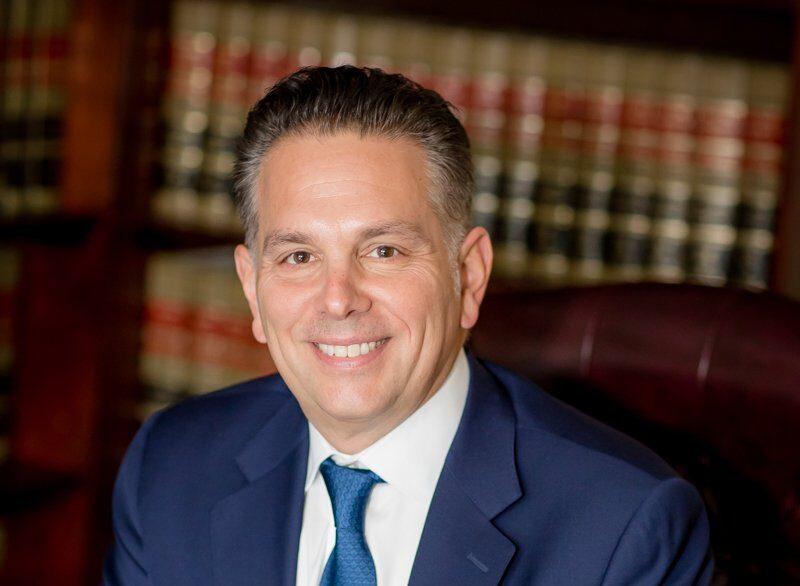
Reviewed by an award-winning attorney at DALLI MARINO

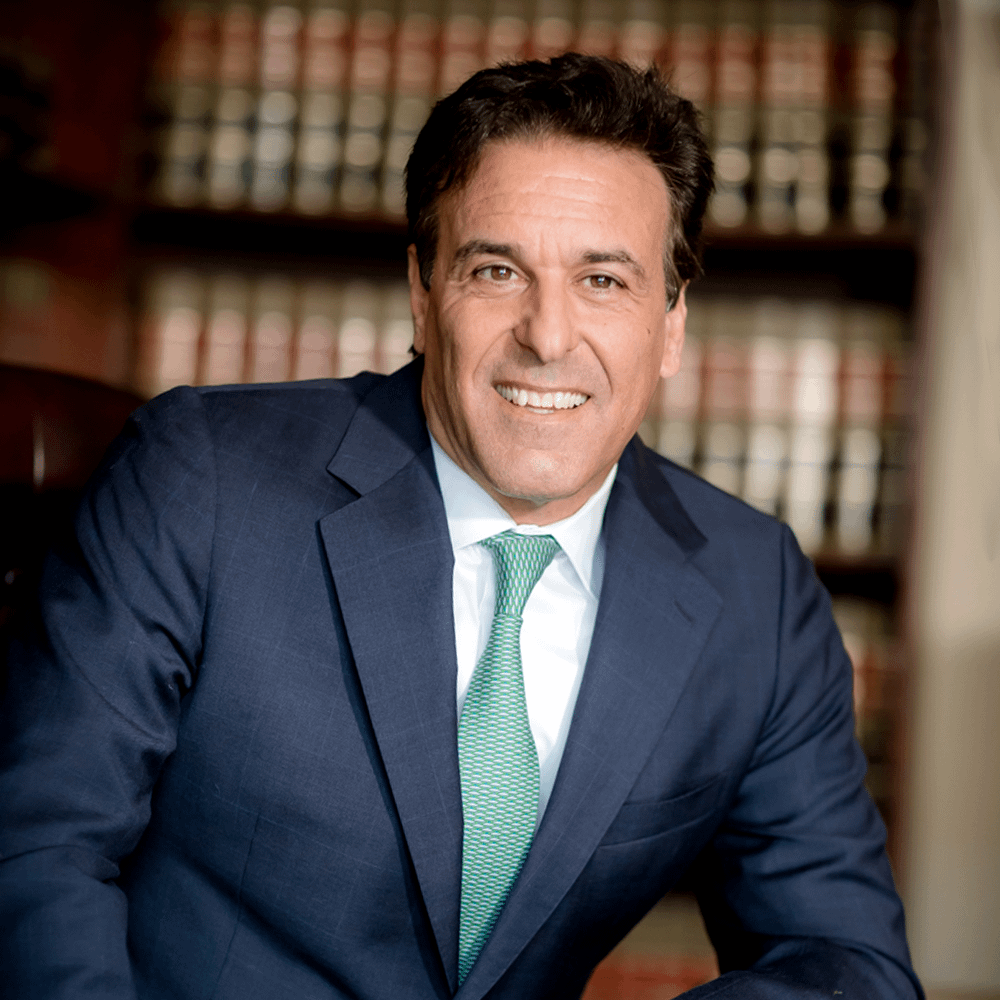

Salvatore Marino, Esq. is a founding member of Dalli & Marino, LLP, and has been the managing partner since the firm’s inception in 1996, representing clients in New York City, Brooklyn, Bronx, Queens, Staten Island, Nassau County, Suffolk County and Westchester.


When you place your elderly family member in a nursing home, you’re trusting the facility and its staff to care for and respect them. When that trust is broken in the form of elder abuse, it can lead to serious illness, severe injury, psychological damage, and even death.
At Dalli & Marino, we understand just how difficult these situations can be. Our NYC nursing home abuse attorneys have represented countless elderly nursing home residents and their families since 1996, recovering hundreds of millions of dollars on their behalf.
Our team of highly skilled trial attorneys approaches each case on an individual basis, and we are dedicated to fighting for the rights of those facing any form of abuse. Contact us today to discuss your case and determine your next steps.
Click here to schedule a confidential consultation or call our office at 718-587-0136.
Your Trusted Nursing Home Abuse Advocates in New York City

At Dalli & Marino, LLP, we understand the deep trust families place in nursing homes and the heartbreak when that trust is broken. Since 1996, our New York City nursing home abuse lawyers have fought tirelessly to protect seniors from neglect, physical harm, emotional abuse, and financial exploitation. We’ve secured millions in verdicts and settlements, giving families the justice and compensation they deserve. If you suspect your loved one is suffering from nursing home abuse or neglect in New York City, contact us today for a free consultation. Se habla español.
What Is Considered Nursing Home Abuse?
Nursing home abuse refers to intentional actions by caregivers, staff, or other residents that cause harm, distress, or exploitation of a nursing home resident. It is distinct from nursing home neglect, which refers to a failure to provide necessary care, supervision, or services.
Abuse can take several forms, and it is not always physical or immediately visible:
Physical Abuse
Physical abuse involves the use of force that results in bodily injury, pain, or impairment. This can include hitting, slapping, pushing, improper use of restraints, or any rough handling that causes harm or discomfort.
Sexual Abuse
Sexual abuse refers to any non-consensual sexual contact with a nursing home resident. This includes unwanted touching, assault, coercion, or exposure to sexually explicit materials or behavior. Residents in long-term care facilities are often particularly vulnerable due to cognitive or physical impairments, making consent and capacity critical concerns in these cases.
Financial Exploitation
Financial abuse occurs when someone improperly or illegally uses a resident’s money, property, or assets. This can include stealing cash or personal belongings, forging signatures, coercing changes to wills or financial documents, or misusing credit cards or bank accounts. Because many residents rely on others for financial management, exploitation can sometimes go unnoticed until significant losses have occurred.
Emotional or Psychological Abuse
Emotional abuse involves behavior that causes mental distress, fear, humiliation, or isolation. This may include verbal threats, intimidation, insults, humiliation, or intentionally ignoring or isolating a resident from others. Unlike physical abuse, emotional abuse often leaves no visible injuries.
At Dalli & Marino, we understand how stressful it can be to watch your loved ones face any form of trauma, pain, or distress. We are a firm of successful nursing home lawyers in NYC whose verdicts and settlements have recovered hundreds of millions of dollars for our clients since 1996.
Recognizing the Signs of Nursing Home Abuse
Nursing home abuse is not always immediately visible, and in many cases, families are the first to sense that something is wrong. While no single sign is definitive on its own, certain changes or patterns can raise serious concerns that warrant closer attention.
Common indicators associated with possible abuse include:
- Unexplained or inconsistent injuries, such as bruises, fractures, or other trauma that are not clearly or reasonably explained
- Signs of physical force or rough treatment, including marks that may suggest restraint or improper handling
- Sudden emotional or behavioral changes, such as fearfulness, agitation, withdrawal, or noticeable changes in mood around certain staff members or residents
- Expressions of fear or distress, particularly when a resident appears anxious in the presence of specific caregivers or avoids certain individuals
- Indicators of sexual misconduct concerns, including unexplained injuries in sensitive areas or behavioral changes consistent with trauma
- Possible financial irregularities, such as unexplained withdrawals, missing belongings, or sudden changes to financial arrangements or access
Because many of these indicators can have multiple explanations, they do not, on their own, confirm abuse. However, when they appear unexpectedly, worsen over time, or occur alongside other concerning circumstances, they may point to a deeper issue within the facility that should not be ignored.
John Dalli Holds Nursing Home Owners Responsible For Abuse
-
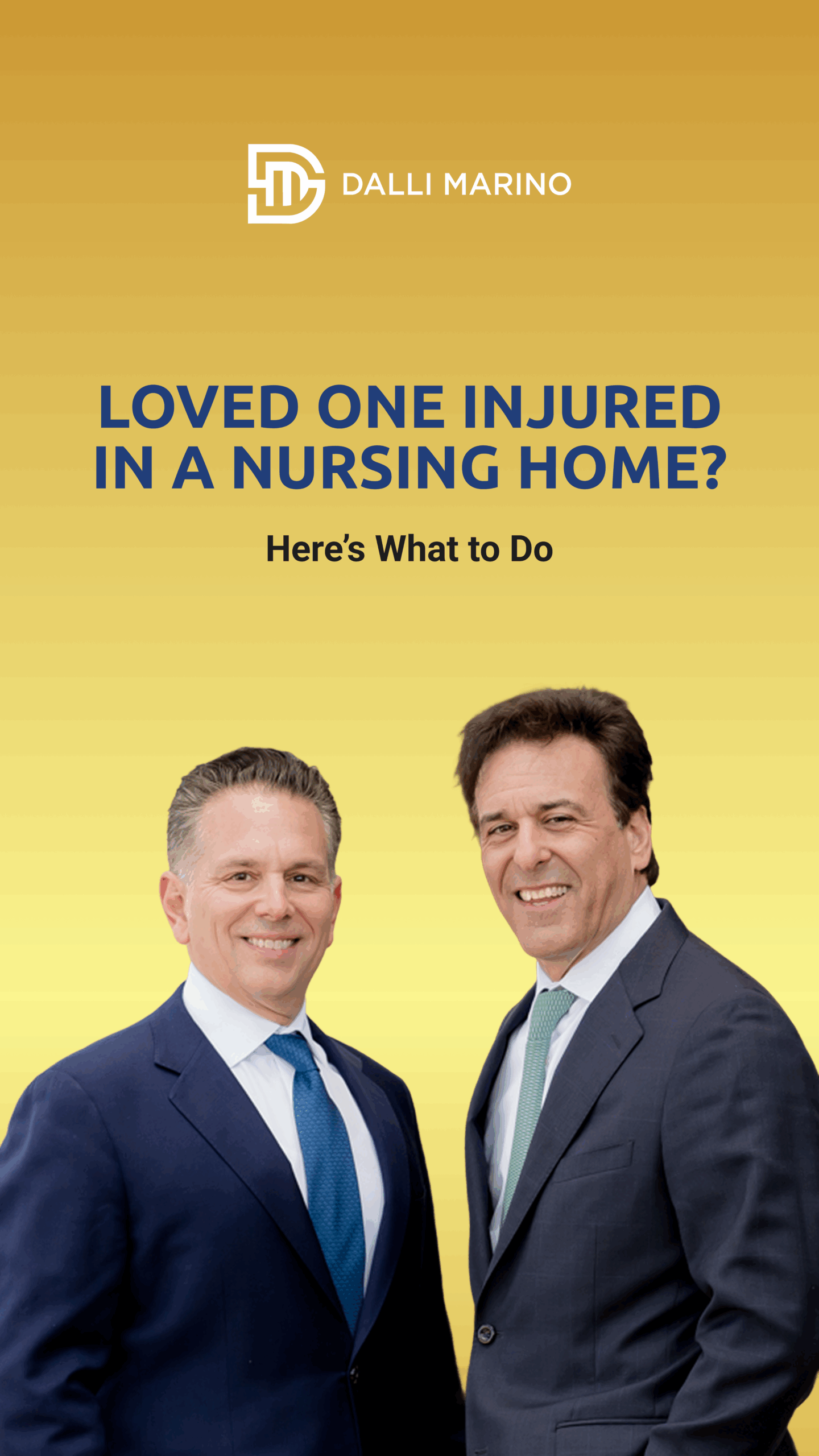
Loved One Injured in a Nursing Home? Here’s What to Do
See All Videos -
Nursing Home Lawsuits, Fines & Patient Rights in New York State
See All Videos
Can You Sue a New York City Nursing Home for Abuse?
The short answer is yes. In many cases, a nursing home facility can be held accountable for abuse.
While abuse is often perpetrated by an individual, such as a staff member or, in some cases, another resident, the law also recognizes that nursing homes themselves have a fundamental duty to keep residents safe and provide appropriate care. When that duty is not met, the facility can be held legally responsible for resulting harm.
This is because nursing homes are not just passive settings where care happens; they are responsible for hiring qualified staff, properly training and supervising employees, maintaining safe conditions, and ensuring residents are protected from foreseeable harm. When abuse occurs, it often raises questions about whether the facility failed in one or more of these obligations.
Why Hiring a New York City Nursing Home Abuse Lawyer Is So Important
Nursing home abuse cases can be difficult to pursue for families, even when the harm is serious and clearly suspected. These claims often involve vulnerable residents who may not be able to fully describe what happened, limited direct witnesses, and facilities that are reluctant to acknowledge wrongdoing. In many cases, there is also significant pushback from the nursing facility and its insurer, who may dispute the extent of the injuries or deny that abuse or neglect occurred at all.
On top of that, key evidence is often controlled by the facility itself. Medical records, staffing logs, incident reports, and internal documentation are not always readily accessible without formal legal action, which can make it difficult for families to fully understand what went wrong.
A NYC nursing home abuse lawyer helps level the playing field by handling the legal and investigative burden of the case. This typically includes:
- Obtaining critical evidence such as medical records, staffing records, internal reports, and other facility documentation that may not be voluntarily produced to families.
- Evaluating the medical aspects of the case, often with the help of qualified experts, to determine whether injuries are consistent with abuse or neglect.
- Identifying all potentially responsible parties, including individual staff members, the facility itself, corporate owners, or outside contractors, depending on how the harm occurred.
- Handling communications and negotiations with the nursing home and its insurance carriers, who often work to limit or deny liability.
- Building a clear, supported claim for damages, including medical costs, pain and suffering, and other losses tied to the abuse or neglect.
At Dalli & Marino, we have more than three decades of experience representing victims of nursing home abuse and neglect across New York. Our firm understands how these cases are defended, what evidence is needed to prove liability, and how to develop strong claims even when facilities and insurers attempt to resist accountability. We are committed to uncovering what happened, identifying who is responsible, and pursuing full compensation on behalf of injured residents and their families.
If your loved one experienced abuse in a New York City nursing home, contact our law firm to schedule a free consultation and learn more about how we may be able to help.

What Types of Compensation Can Nursing Home Abuse Victims and Their Families Recover?
When nursing home abuse or neglect results in harm, the law allows victims and families to pursue compensation for the losses caused by that conduct. These damages are intended to address both the physical and emotional impact of the abuse, as well as the financial consequences that often follow.
At Dalli & Marino, our nursing home abuse attorneys in NYC pursue full compensation by carefully evaluating the extent of harm and the long-term effects on the resident and their family. Depending on the circumstances, recoverable damages may include:
- Medical expenses related to treating injuries caused by the abuse or neglect, including hospital care, rehabilitation, medications, and ongoing treatment needs
- Pain and suffering, including the physical pain and emotional distress experienced by the resident
- Emotional trauma and diminished quality of life, particularly in cases involving fear, humiliation, isolation, or psychological harm
- Costs of relocation or additional care, when a resident must be moved to another facility or requires a higher level of supervision
- Financial losses, including any misuse or exploitation of the resident’s assets in cases involving financial abuse
In the most tragic cases, nursing home abuse or neglect can lead to a resident’s death. When that occurs, families may pursue a wrongful death claim. These cases may allow recovery for funeral and burial expenses, as well as the financial and emotional losses resulting from the death of a loved one.
Related Articles
-
Broken Bones After a Nursing Home Fall: When Is It Neglect?
-
$5.5 Million Verdict Secured For Victim of Nursing Home Abuse & Neglect
-
Who Is Liable in a Nursing Home Abuse Case?
-
John Dalli Lectures on Nursing Home Negligence at the New York City Bar Medical Malpractice Conference 2026
-
$5.5 Million Verdict: Jury Holds Nursing Home Accountable for Fatal Bedsore
-
How to Report Assisted Living Abuse in NYC: A Complete Guide

How Do Nursing Home Abuse Lawsuits Work?
Filing a nursing home abuse lawsuit in New York City is a legal process designed to hold negligent facilities and responsible parties accountable while pursuing compensation for injured residents and their families. These cases are not only about financial recovery—they are also about uncovering what happened and ensuring vulnerable residents are protected from similar harm in the future.
1.
Case evaluation and investigation

The process begins with a thorough review of the facts. At Dalli & Marino, we evaluate what occurred, review available records, and identify what additional evidence may be needed. This often includes medical records, witness accounts, facility documentation, and any available photos or other supporting materials.
2.
Filing the lawsuit
If there is a valid basis for a claim, we prepare and file a formal complaint in civil court. This document outlines what happened, the injuries sustained, and the legal claims being asserted against the nursing home or other responsible parties.
3.
Discovery phase
After the case is filed, both sides exchange information through the discovery process. We use this stage to obtain key documents from the nursing home, take testimony, and further develop the evidence needed to prove liability and damages.
4.
Settlement negotiations
Many nursing home abuse cases are resolved through settlement. During this stage, we negotiate directly with the nursing home’s insurance representatives to pursue a resolution that fairly reflects the harm suffered. Settlements can provide compensation without the uncertainty of trial.
5.
Trial
If a fair settlement cannot be reached, the case proceeds to trial. We present the evidence, examine witnesses, and argue the case before a judge or jury, who ultimately decides liability and damages.
6.
Resolution and disbursement
If the court rules in your favor, the recovery is collected and distributed. We ensure that funds are properly allocated, including payment of case costs and medical liens where applicable, with the remainder going to you and your family.

How Long Do You Have to File a Nursing Home Abuse Lawsuit in New York?
One of the first things you’ll want to consider when you file a lawsuit on behalf of your injured loved one is the limited amount of time you have to act. This deadline is called the statute of limitations and varies depending on the claim.
In New York, you generally have three years to file a nursing home negligence lawsuit in accordance with N.Y. C.P.L.R. § 214(5). However, there are exceptions to this rule that can extend or reduce the amount of time you have to bring a claim, which is why we recommend reaching out to our legal team as soon as possible to discuss your case.
How Can You Prevent Nursing Home Abuse?
Preventing nursing home abuse requires vigilance, awareness, and proactive steps by residents and their families. Strategies to help prevent nursing home abuse in New York City include:
- Understand your rights as a nursing home resident or their loved one: Every resident has legal rights and protections under federal and state law, including the right to be treated with respect, receive appropriate care, and live in a safe environment.
- Conduct a thorough research of the nursing home: Before choosing a facility, research its history, read reviews, and check its ratings on health care and elder abuse prevention websites. Look for any red flags or history of violations.
- Learn about the common signs of nursing home abuse and neglect: Recognizing signs of abuse, such as unexplained injuries, sudden changes in behavior, or poor hygiene, can help you act quickly if abuse is occurring.
- Visit your loved ones as often as you can, and take note of their overall health and state of mind: Regular visits not only boost the resident’s morale but also allow you to monitor any changes in their condition or treatment.
- Maintain open lines of communication with the nursing home staff: Building a relationship with the caregivers and nursing home administrators can facilitate better care and make it easier to address any concerns that may arise.
- Consider using tech support such as wearable devices and monitoring health data: Technology can play a crucial role in ensuring the safety and well-being of nursing home residents by tracking their health and alerting them to any potential issues.
- Report nursing home abuse to the management: If you suspect abuse, report it to the nursing home management immediately. Documentation and details of the incidents will support your concerns.
Taking these steps can significantly contribute to preventing nursing home abuse and ensuring the safety and dignity of our elderly loved ones.
What Should You Do If You Suspect Nursing Home Abuse in New York City?
If you suspect that a loved one is being abused in a nursing home, it is important to act quickly. In some cases, the situation may require immediate intervention, while in others it may involve gathering information and escalating concerns through the proper channels.
- If there is immediate danger, call 911: If your loved one is in immediate physical danger, has suffered a serious injury, or is in a life-threatening situation, emergency services should be contacted right away.
- Ensure your loved one receives medical attention: Any unexplained injuries or sudden changes in condition should be evaluated by a medical professional as soon as possible. This may include transfer to a hospital or independent medical evaluation.
- Document what you see and hear: Keep detailed notes of injuries, conversations with staff, changes in behavior, and any explanations provided by the facility. Photographs may also be helpful when appropriate.
- Report concerns within the facility and to outside agencies if needed: Concerns should be raised with nursing home administration. In more serious situations, families may also consider reporting the matter to appropriate regulatory authorities.
- Speak with an experienced New York City nursing home abuse lawyer: These cases often require immediate investigation to preserve evidence and obtain records. At Dalli & Marino, we help families understand their rights, investigate what occurred, and take action to hold negligent facilities accountable.
New York City Nursing Home Abuse Lawyer: FAQs
Why does nursing home abuse happen in New York?
Nursing home abuse in New York often occurs due to understaffing, insufficient training of staff, and inadequate oversight of operations. These factors create an environment where neglect and mistreatment can thrive, often unnoticed, until serious harm befalls the residents.
How long does a nursing home abuse lawsuit take?
The duration of a nursing home abuse lawsuit in New York City can vary significantly depending on the complexity of the case, the amount of evidence to be collected, and the willingness of both parties to reach a settlement. Generally, these lawsuits can take anywhere from a few months to several years to resolve, especially if the case proceeds to trial.
When should I contact a New York City nursing home abuse lawyer?
You should reach out to a personal injury lawyer with experience in nursing home cases as soon as you suspect any form of abuse. Early intervention is crucial in these cases, as it allows the lawyer to gather fresh evidence, consult with medical experts, and start building a strong case on behalf of the victim.
Whether you’ve noticed physical injuries, emotional changes, or financial discrepancies in your loved one’s situation, immediate legal consultation can make a significant difference in protecting their rights and well-being. Don’t wait for the situation to escalate. Getting legal support early can be pivotal in seeking justice and preventing further harm.
Do you have a nursing home abuse lawyer near me?
Finding a reputable New York City nursing home abuse lawyer close to you is crucial when confronting the distressing reality of nursing home abuse. Our centrally located office in Manhattan at Five Penn Plaza, 19th Fl., New York, NY 10001, offers convenient access for families and individuals seeking legal assistance. You can reach us at (516) 292-4700 (212-796-5311) to discuss your case and learn how we can help.
Our office is well-connected by various modes of public transportation, making it easily accessible. If you’re traveling by subway, the 1, 2, or 3 lines to 34th Street Penn Station offer the closest stops, just a short walk away from our office. For those preferring bus services, several MTA buses stop near Penn Plaza, including the M4, M34A, and M20, providing convenient options from multiple directions.
 Thoroughly investigating the circumstances surrounding the abuse and gathering critical evidence.