Table of Content

Reviewed by an award-winning attorney at DALLI MARINO



Salvatore Marino, Esq. is a founding member of Dalli & Marino, LLP, and has been the managing partner since the firm’s inception in 1996, representing clients in New York City, Brooklyn, Bronx, Queens, Staten Island, Nassau County, Suffolk County and Westchester.




New York City Nursing Home Lawyer

Pressure ulcers, more commonly referred to as “bedsores,” are injuries that are associated with severe pain and can result in death. In fact, the Agency for Healthcare Research and Quality (AHRQ) has reported that about 60,000 people die from pressure ulcers every year.
Unfortunately, many pressure ulcer deaths are the direct result of stage 4 bedsores caused by nursing home neglect. Bedsore injuries are so common in nursing homes nationwide that it is the second most common claim after wrongful death. Over 17,000 personal injury claims are filed for reasons directly related to pressure ulcers each year.
If you or someone you love has suffered a stage 4 bedsore injury in a New York nursing home, a Dalli & Marino, LLP nursing home neglect lawyer may be able to help. As New York’s premier elder abuse and personal injury law firm, we are committed to holding neglectful long-term care facilities responsible for the harm they cause.
What Are Pressure Ulcers, Also Known as Bedsores?

Bedsores usually develop when someone sits or lies in one position for too long. This lack of movement can cause the blood supply to be cut off from the skin for an extended period of time, damaging surrounding tissue and producing these painful lesions.
When left untreated, bedsores can spread into the muscle and bone or burst open and become infected. Depending on the person’s physical condition, these sores can take years to heal or require surgical intervention. In some cases, they can even lead to death.
Pressure ulcers frequently develop on areas of the skin that cover bony parts of the body but are most often found on the:
- Buttocks
- Tailbone
- Heels
- Back
- Ankles
- Hips
- Shoulder blades
- Back of the head
- Elbows
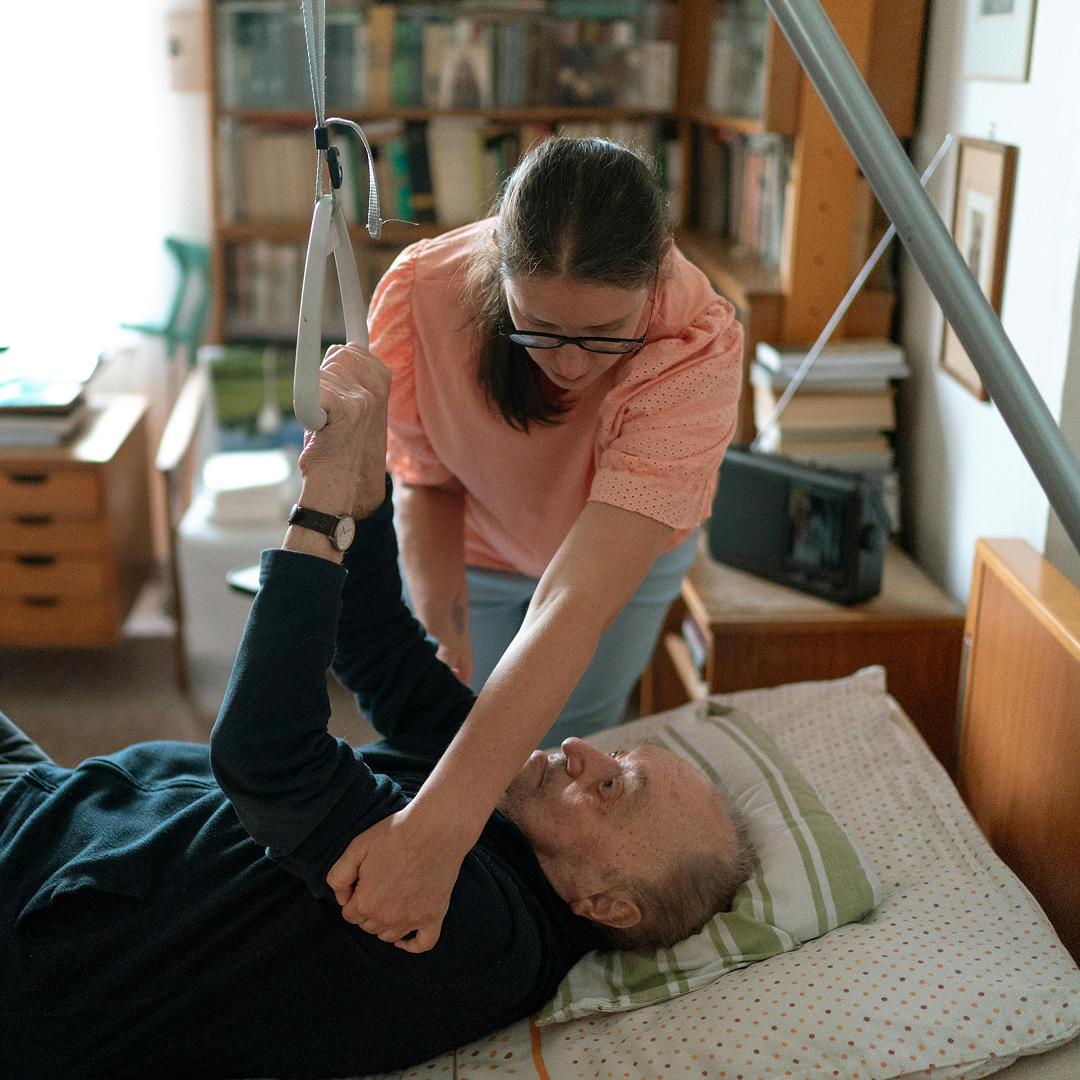
Nursing home residents who are bedbound or use wheelchairs have some of the highest risks for developing bedsores. To prevent these painful injuries, assisted living facility staff must ensure that residents with mobility issues are repositioned at least once every 90 minutes to 2 hours to prevent the development of pressure ulcers.
Bedsores can range from closed wounds to open injuries and are classified into four stages based on how severe the lesion is. The stages of bedsore progression are:
- Stage 1: The bedsore is still a closed wound and has not yet broken through the skin.
- Stage 2: The bedsore has a break in the top two layers of skin.
- Stage 3: The bedsore affects the top two layers of skin and the fatty tissue.
- Stage 4: The bedsore is a deep wound that impacts muscle, tendons, ligaments, or bone.
Stage 4 bedsores indicate severe neglect and poor reporting from the nursing home.
How Dangerous Is a Stage 4 Bedsore?
Characterized by reddish craters in the skin, a stage 4 bedsore is the largest and deepest of all bedsore stages. Some stage 4 bedsores can result in such severe tissue damage that the wound tunnels down through all layers of the skin. At times, muscles, bones, or tendons may be visible at the bottom of the sore.
Infected stage 4 bedsores may have pus leakage or give off a foul odor. Additionally, the sore may be surrounded by dead tissue that has darkened or turned yellowish in color.
As the most severe stage of bedsores, Stage 4 bedsores are most likely to lead to life-threatening infections. Characterized by a deep wound that extends to the muscles, ligaments, or even bone, bedsores that have reached the fourth stage can cause residents to suffer from:
- Extreme pain
- Dangerous infections
- Invasive surgeries
- Death
Stage 4 bedsores typically develop after nursing home staff fail to treat earlier-stage sores adequately. If your loved one has developed a stage 4 bedsore while living in a New York nursing home, you could be eligible to recover compensation for nursing home neglect under New York state law.
What Causes Stage 4 Bedsores to Develop in New York Nursing Homes?
Bedsores on nursing home residents are often the result of improper care from facility staff. People living in care facilities can develop bedsores if staff members neglect to:
- Provide adequate care for every resident because of staffing shortages
- Treat dehydration or malnutrition, slowing or preventing the healing of wounds
- Notice earlier stage sores due to missed or rushed care
- Transfer or move residents with mobility issues bound to beds or wheelchairs
Anyone with a lower-stage pressure ulcer is at risk of it progressing to a stage 4 sore. However, patients living in understaffed care facilities and patients with limited mobility, dementia, or blood circulation issues are more prone to developing severe pressure ulcers.


Related Articles
-
What is Considered Nursing Home Neglect?
-
What You Need To Know About Nursing Home Bedsore Claims
-
Can You Sue a Nursing Home for a Fall?
-
What Is the Average Nursing Home Neglect Settlement?
-
Nursing Home Nursing Home Abuse Nursing Home Abuse Case Results Nursing Home Neglect Nursing Home Residents
Is It Difficult to Sue a Nursing Home?
-
Was the Nursing Home Staffing Mandate Repeal Linked to Corporate Money?